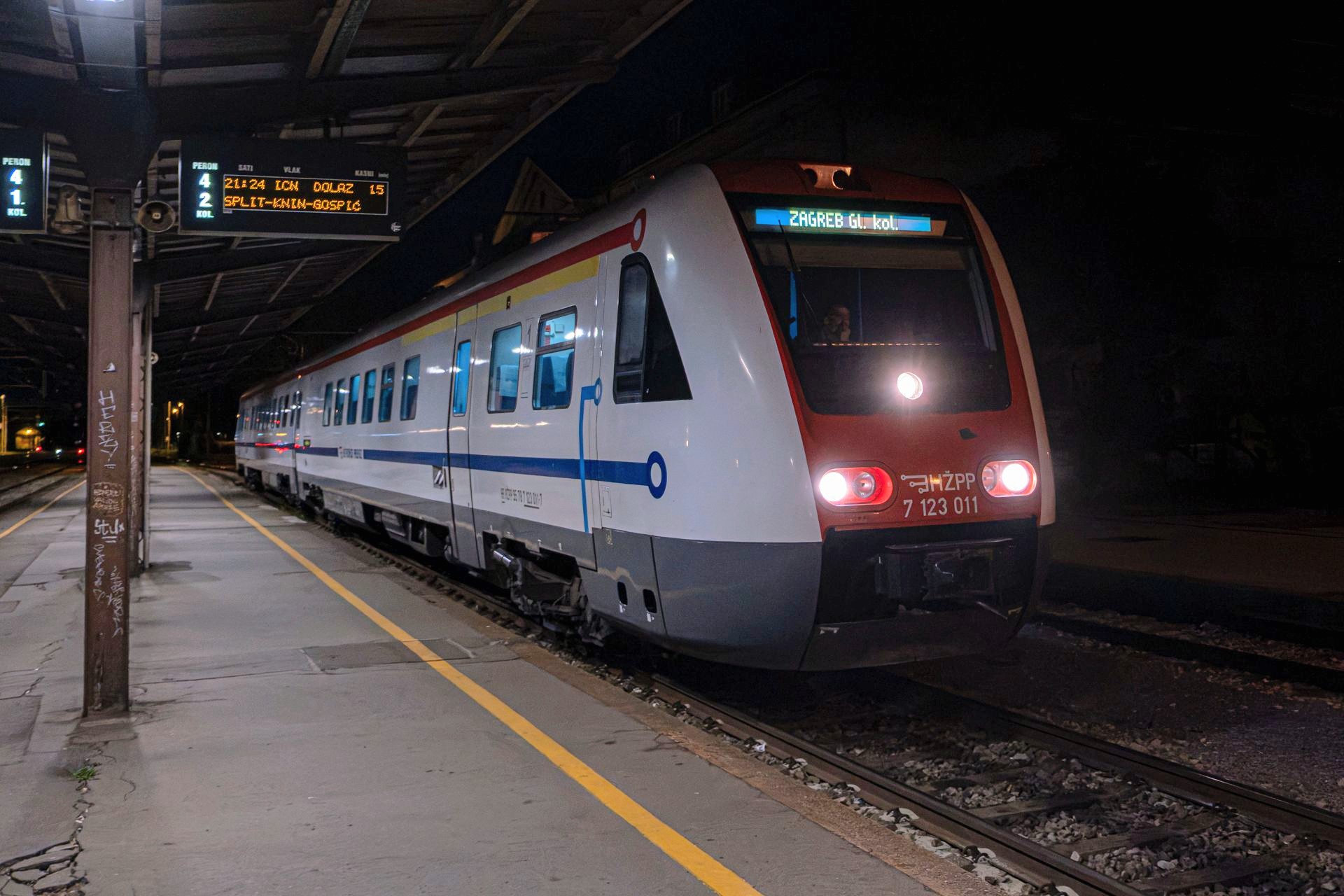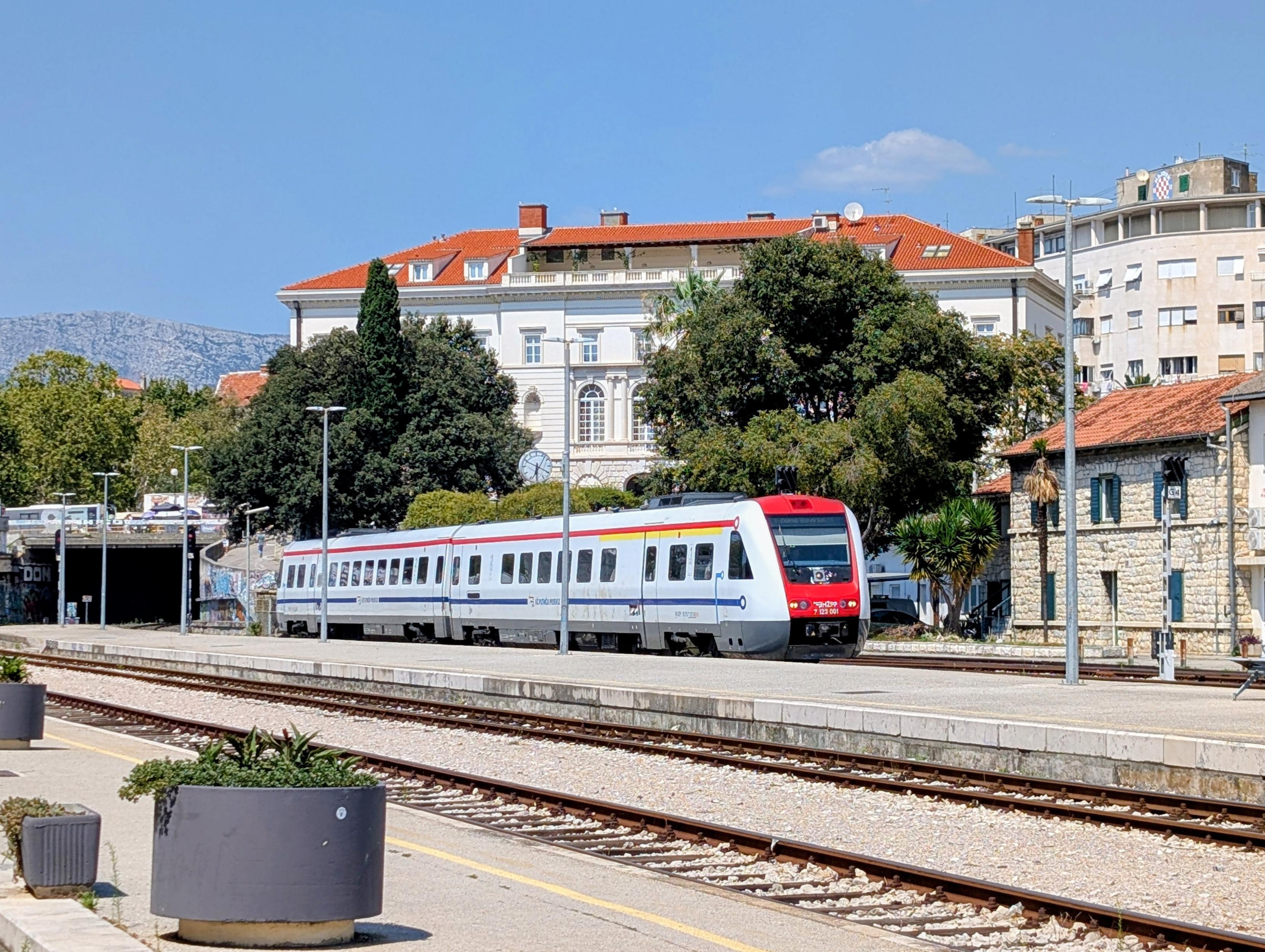
Bittersweet news comes to us this weekend from the Zagreb – Split line, with the last run of the ICN (InterCity Nagibni) service after more than two decades. ICN was introduced as HŽ’s premium product using Bombardier RegioSwinger tilting trains in 2004, with an attempt to provide higher class of service and shorter travel times on the route between two largest Croatian cities. The RegioSwingers will soon be replaced by Končar 7024 EDMUs hybrids.
The story of the RegioSwingers in Croatia is complicated. 8 trainsets were bought in the early 2000s for a very specific purpose – to improve speed and quality of service on the Lika line towards Split before necessary infrastructural improvements could be made (these improvements are still pending). That wasn’t all that different from the main overall pitch for tilting trains – using train technology to compensate for track limitations. But what made the “Nagibni” use special was the Zagreb – Split line.
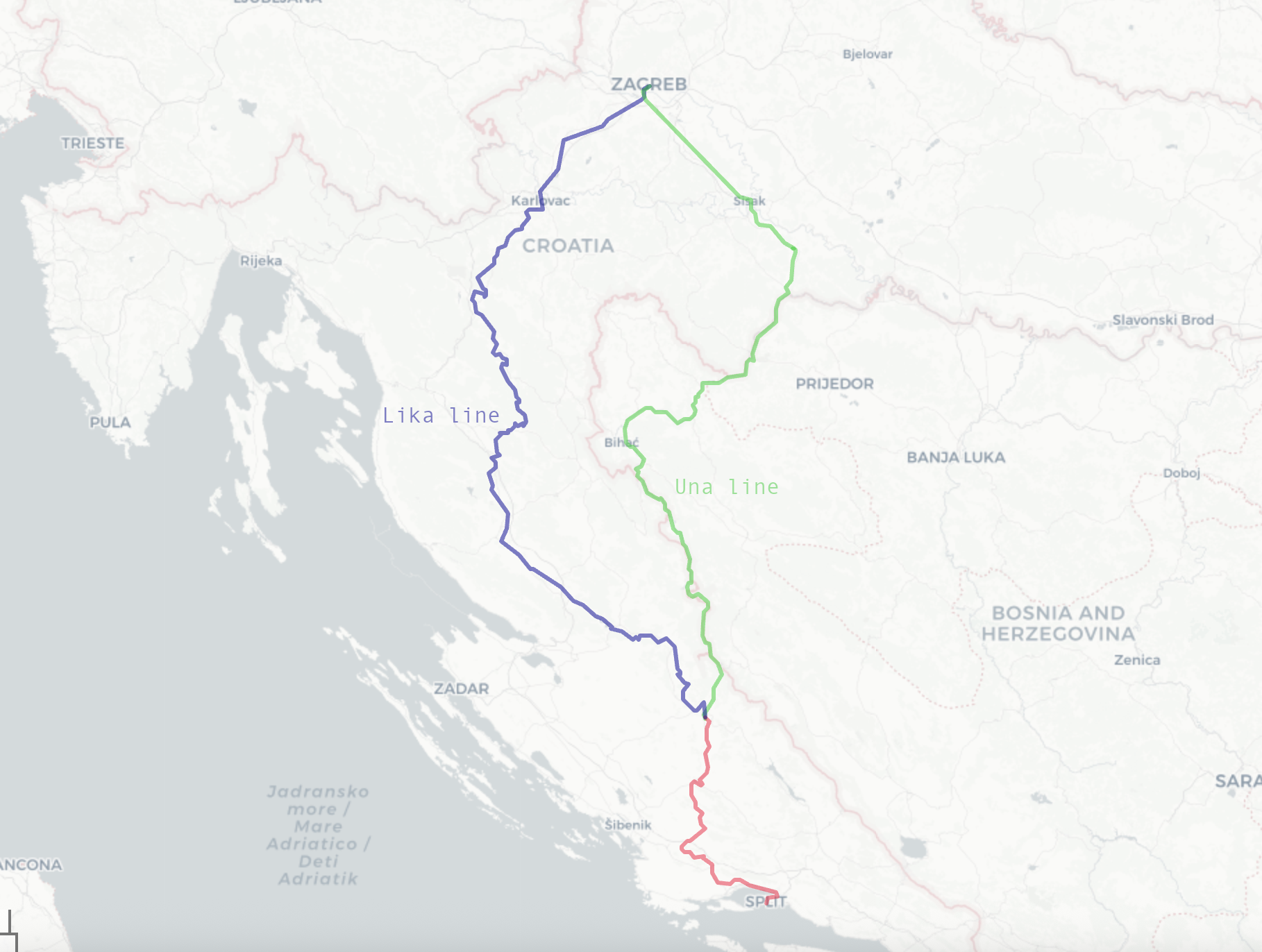
There used to be two routes from Zagreb to Split. The older, slower Lika line, which went through the mountains, and the Una line, which follows the Una river on the border with Bosnia until it meets the Lika line in Knin. The Una line was completed soon after WW2 and was much more popular. It was fully electrified to Knin by the late 1980s. It suffered significant damage in the war, and even though it was repaired by the year 2000, it was never fully reactivated.
Thus the RegioSwingers came to Croatia because the former main line between the two cities was no longer viable. They were supposed to be a stop gap on the already obsolete Lika line, which was suddenly turned into the only viable connection between Zagreb and Split. With the RegioSwingers HŽ (this was before the railway businesses split) managed to cut down travel times below 6 hours, getting to about 5 hours at the peak of InterCity Nagibni service.
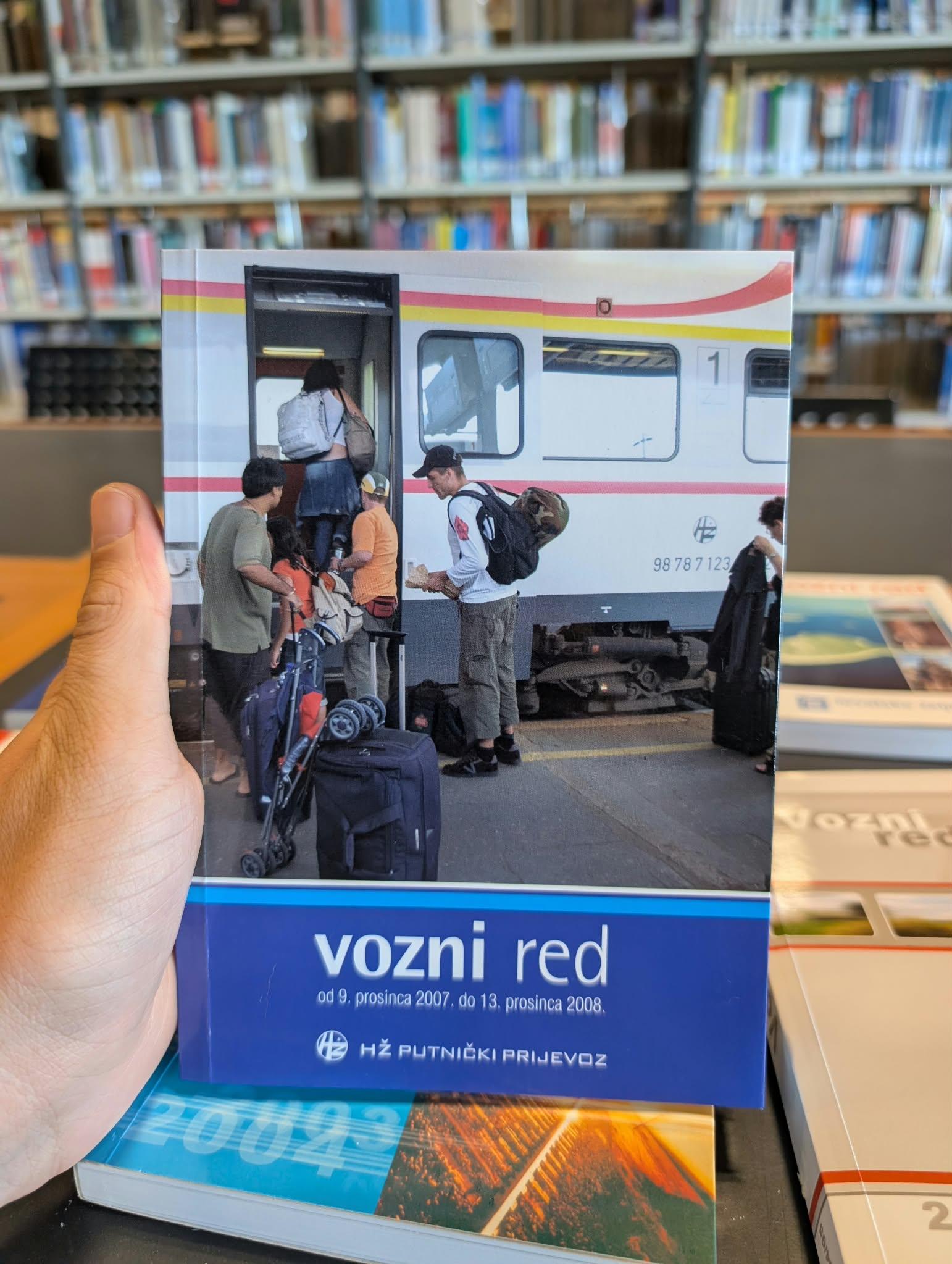
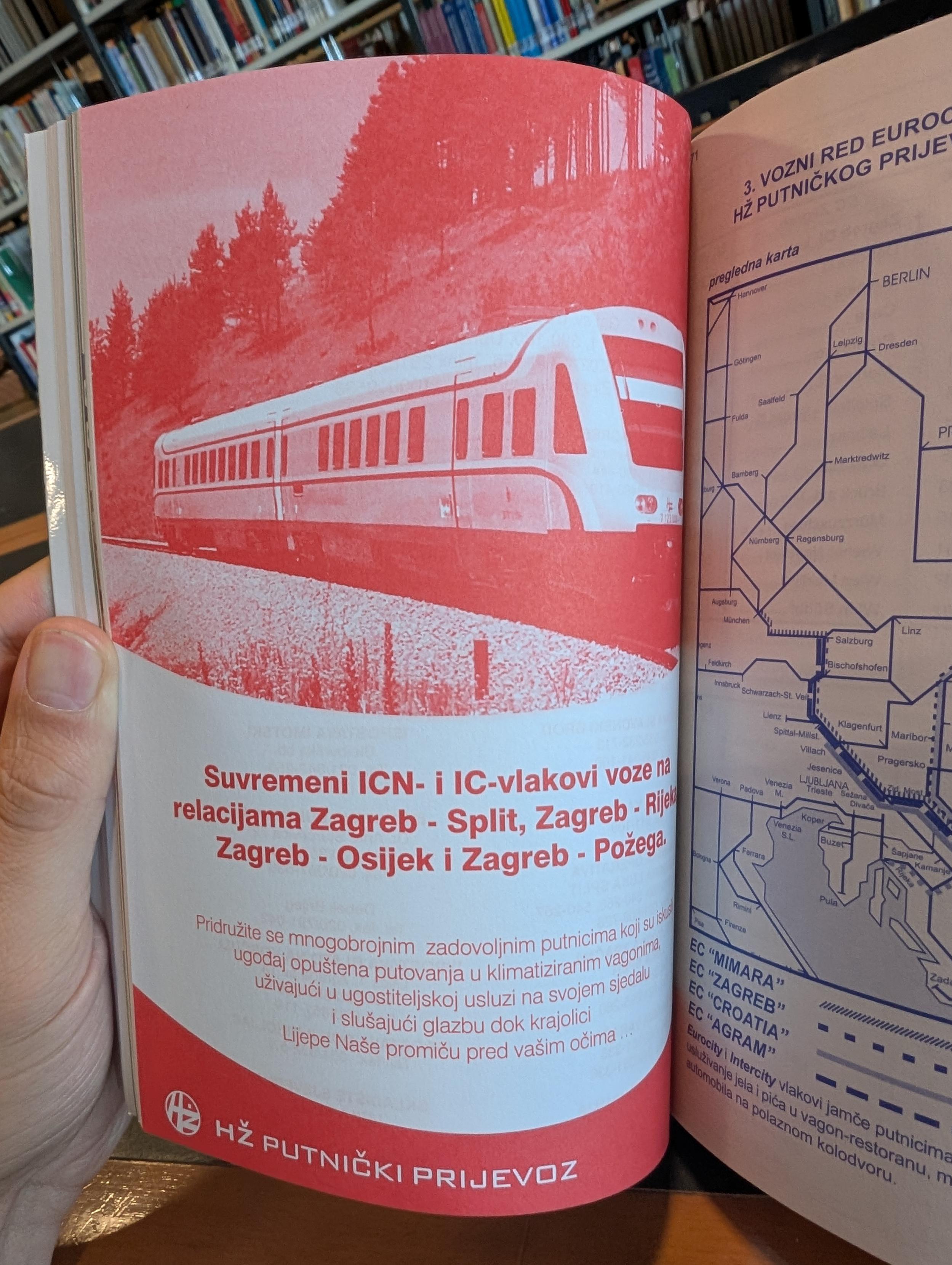
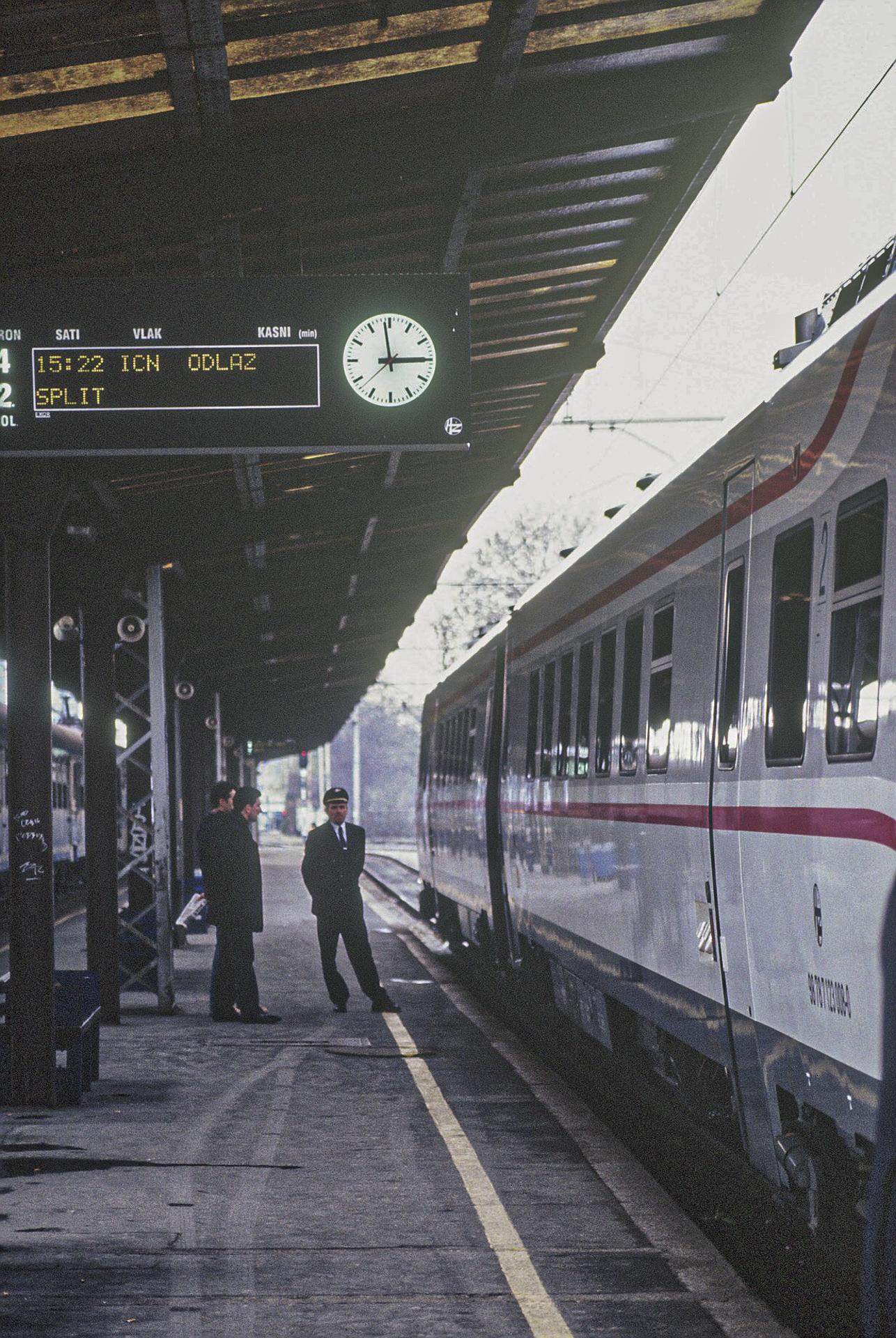
In addition to deploying new DMU trainsets, HŽ attempted to market a higher class service with the InterCity Nagibni (ICN) brand. The trains were catered with food and drinks. All the seats featured headset jacks for music, which played different genres on multiple channels. It was an ambitious time and for a few years the RegioSwingers looked like a great success.
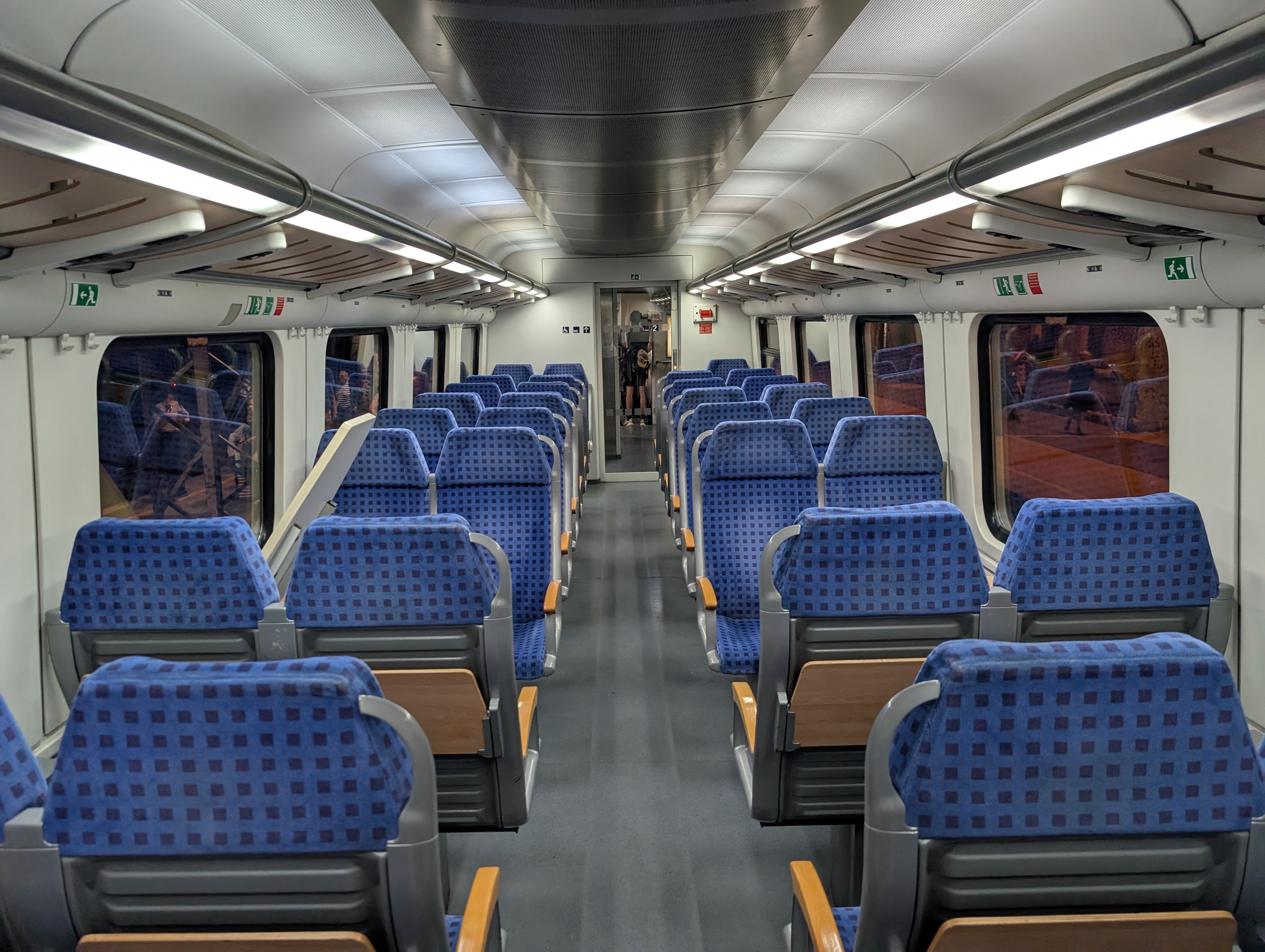
However, these trains were never a good fit for the 5+ hour Zagreb – Split line. This was way too long of a distance for a tiny DMU and even in the best of times spending 5 hours in the two carriage train was uncomfortable. Annoyingly, HŽ never attempted to improve travel comfort by replacing the infamously bad seats. Like elsewhere, tilting technology caused motion sickness for some passengers. There was no dining car, so catered food had to be served at seats.
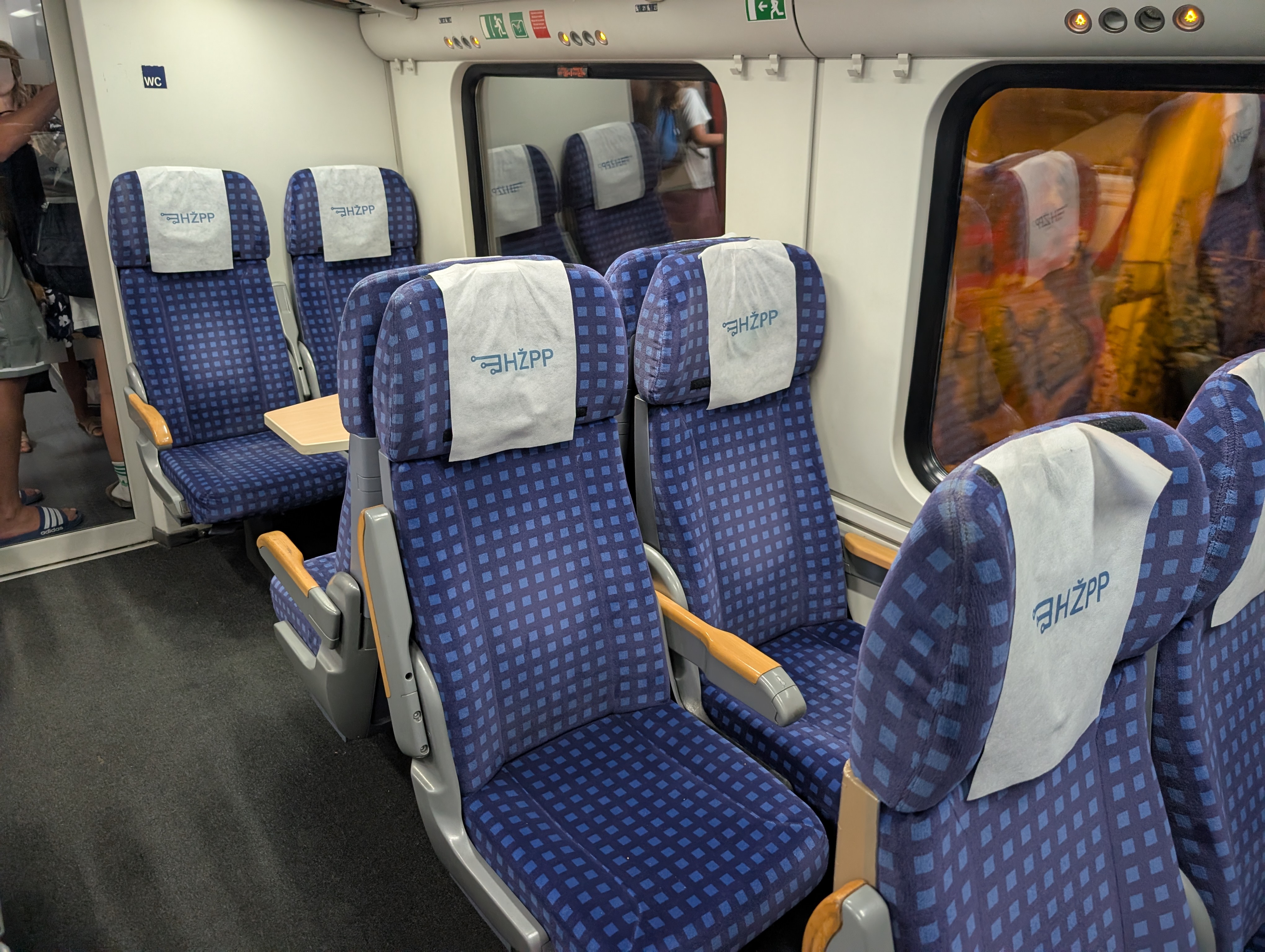
But the travel time improvement was real. Compared to the heavy, diesel locomotive hauled trains, the ICN cut down travel time by a few hours. The new, air conditioned train was much more attractive at first than the decades old carriages still used on most Croatian lines at this time.
All of this came to a head on July 24 2009 when the HŽ 7123-009/010 on train ICN 521, en route from Split to Zagreb, derailed near Rudine. 6 people died and 55 were injured. The investigation showed that the derailment was caused by the fire retardant that was sprayed on the tracks just before the incident. Even though the derailment had nothing to do with the RegioSwinger, it had deep and lasting impact on rail operations in Croatia.
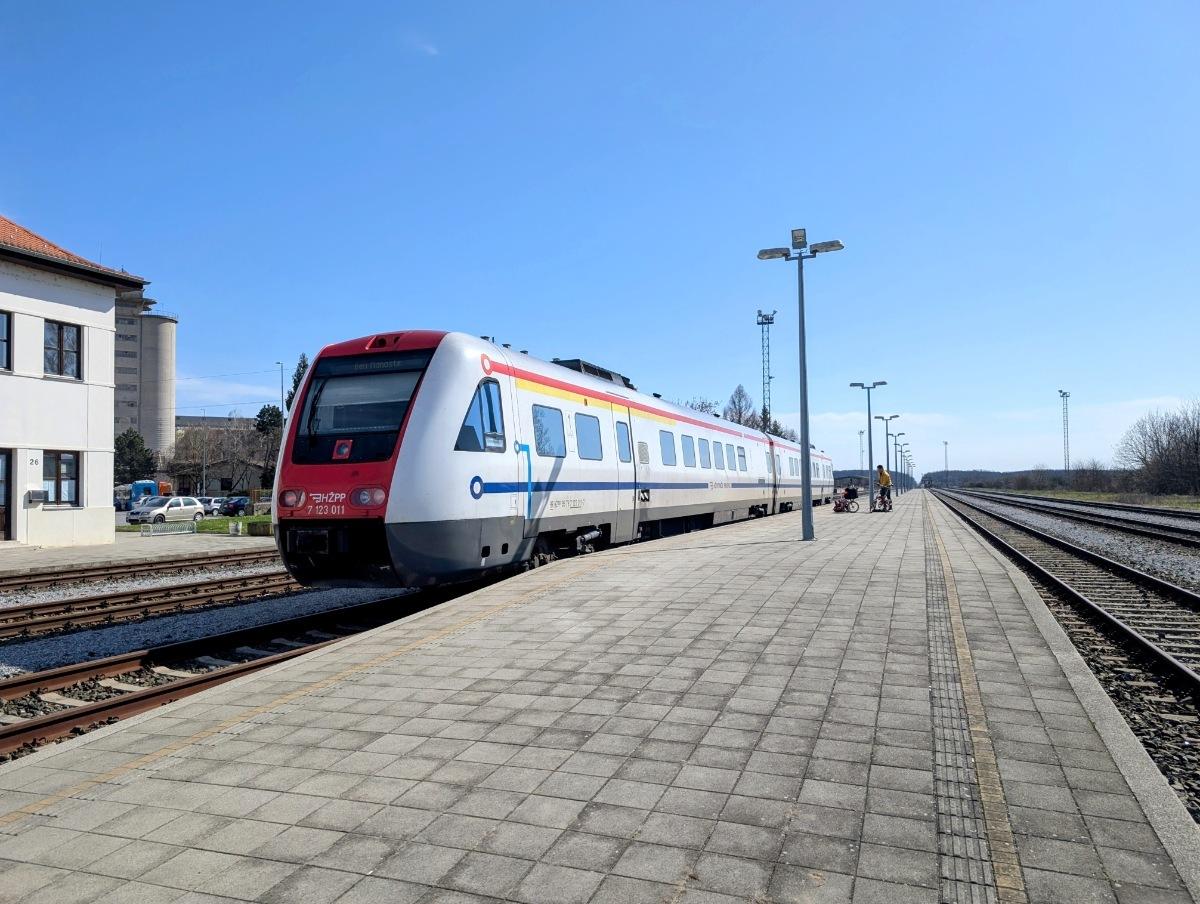
Speeds were lowered out of precaution. Soon, the great recession caused enormous issues and HŽ slashed service across the board. By the 2010s the railroad business separation was completed, and the now renamed HŽPP focused on complete fleet renewal with Končar trains, while the RegioSwingers quietly faded into the background. But the RegioSwingers kept running! HŽPP limited ICN service to the Zagreb-Split line, and only during the summer. They still use the RegioSwingers for local unelectrified lines around the country.
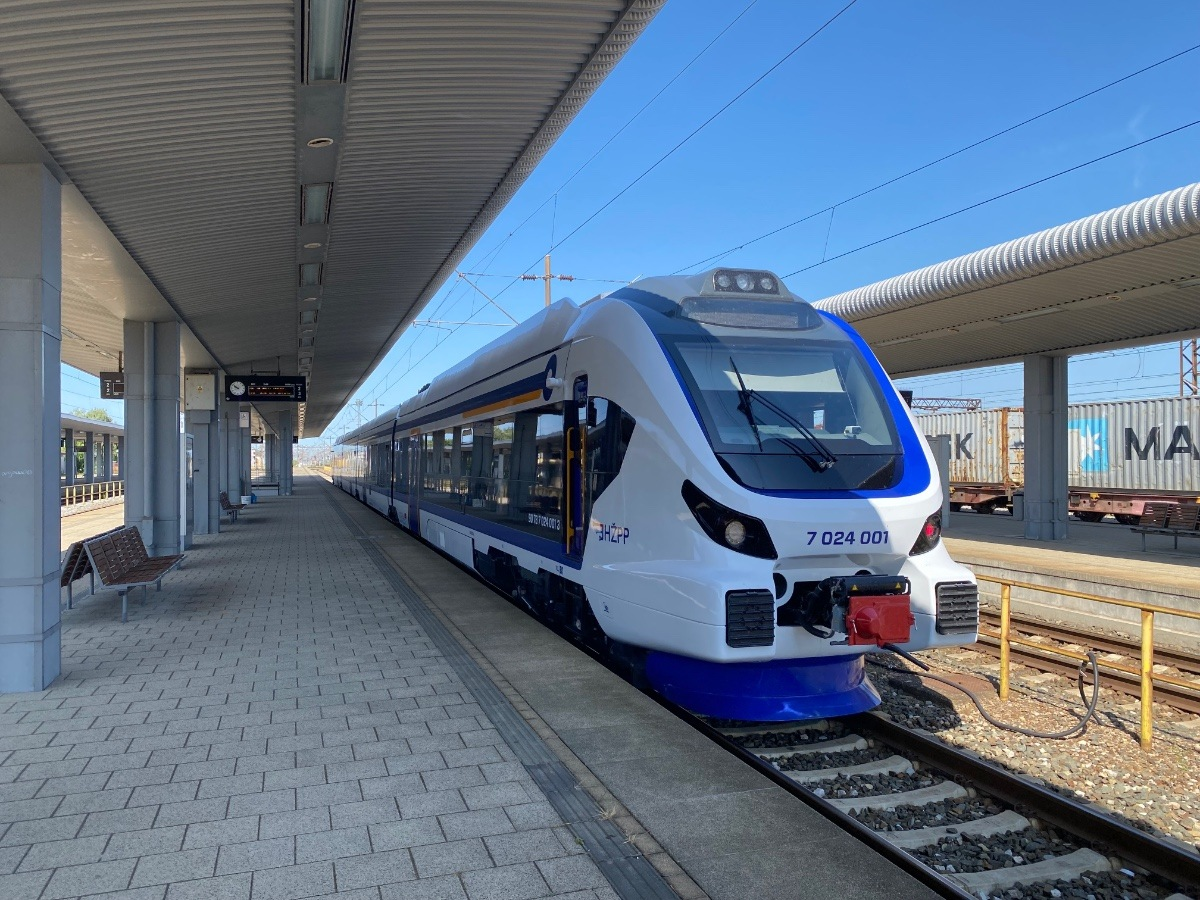
Soon, we’ll see if HŽPP’s ambitions in the 2020s will surpass those of the 2000s. Končar 7024, the new hybrid diesel EMU, is expected to start service on the Split line in a few weeks. It’s not a revolutionary train. It’s another evolution of Končar’s 6112 platform that is now the backbone of HŽPP. It can run on 25kV AC and diesel, perfect for the partially electrified Zagreb – Split line. Perhaps most importantly, the seats have been improved as well.
Even though the RegioSwingers aren’t going anywhere yet, it’s important to remember the ICN service, which is now going away for good. It wasn’t just about rolling stock, it was about the whole passenger experience. 20 years ago, HŽ tried to leap beyond just being the cynical punching bag joke that most Croatians consider it to be. RegioSwingers and ICN service were a brave and, for a while, quite successful attempt to run quality train service.
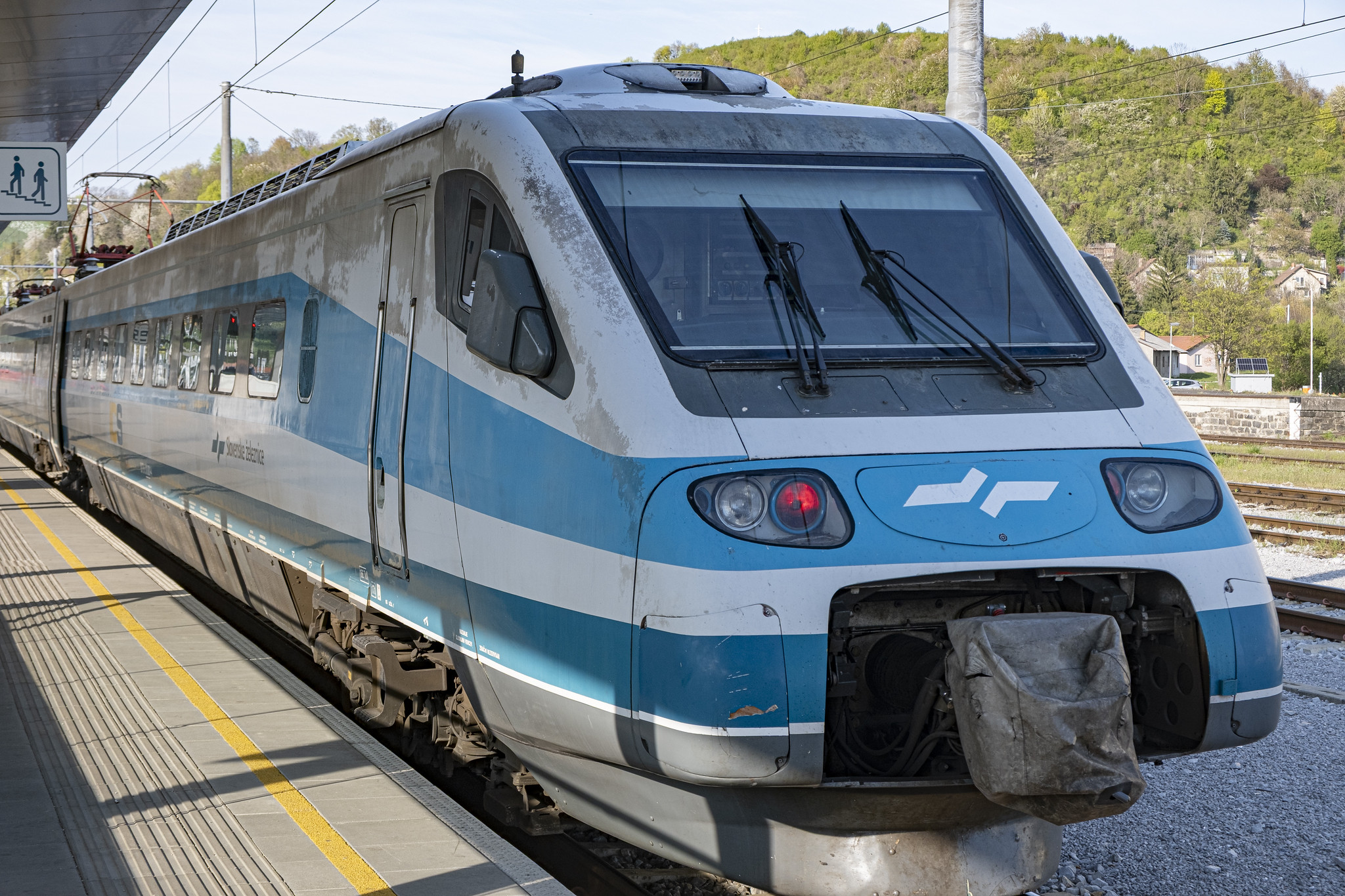
Recently, I compared HŽ’s ICN ambitions to Slovenske železnice’s ICS service. There are many other similarities beyond the use of tilting trains, even though InterCity Slovenia was arguably more successful. When the ICS service started with the Pendolinos 26 years ago, it was a transformative jump in level of service and comfort between the two largest Slovenian cities (Ljubljana and Maribor). In the meantime, the rest of SŽ services caught up, and in many ways exceeded it. In Croatia, ICN wasn’t as successful, and HŽPP still has a lot of catching up to do.
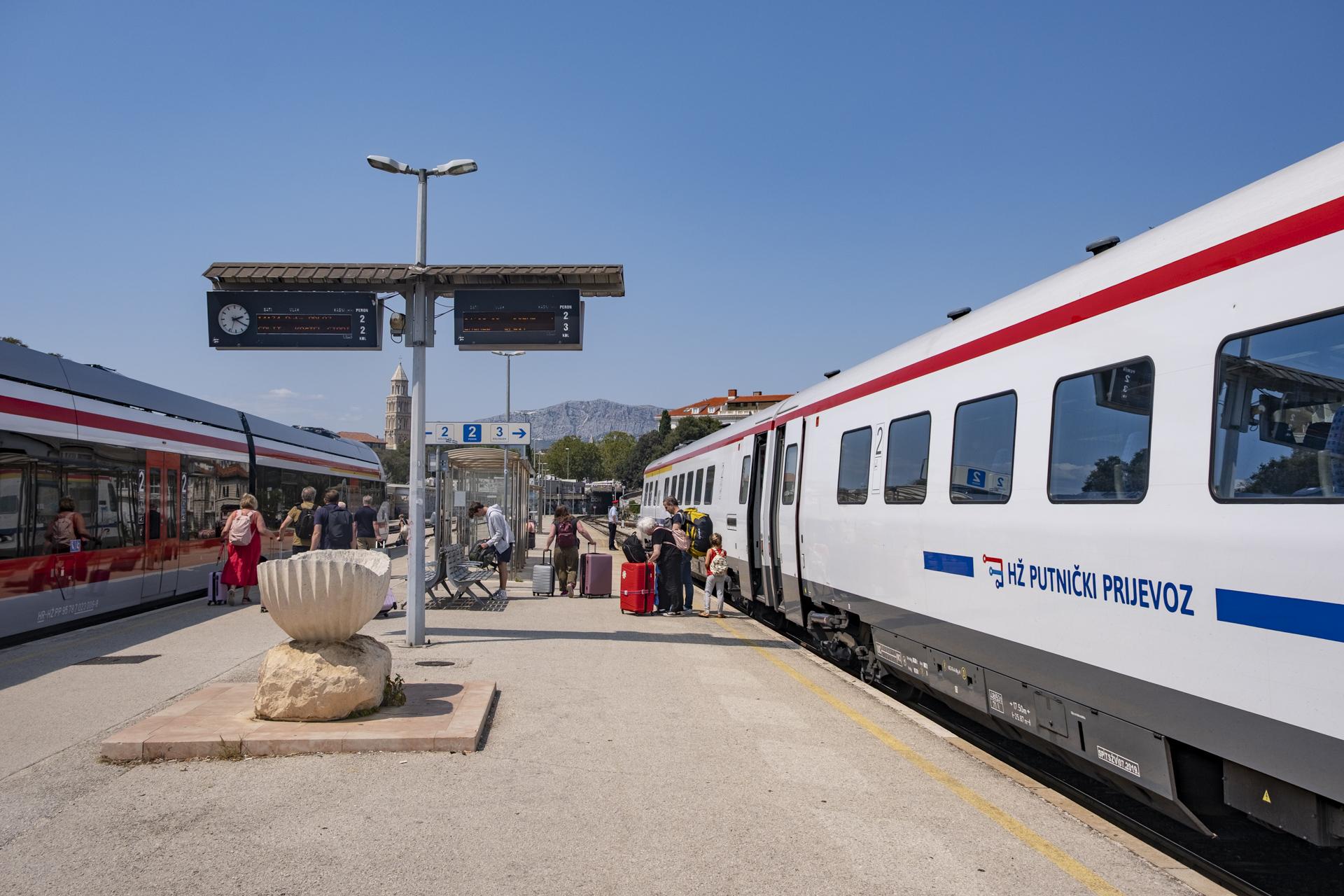
On August 29th 2026 I went down to Karlovac to catch the penultimate run of the ICN 522 service from Split to Zagreb. The unit, 7123 011/012, was about 60% – 65% full when I got on. Passengers from Split looked pretty exhausted, since they have been on the train for hours by that point. A couple of guys at Karlovac tried to get full sized mountain bikes on board, but were denied as there was no space available, and ICN service explicitly doesn’t offer bike transport. There were some folded scooters on board though.
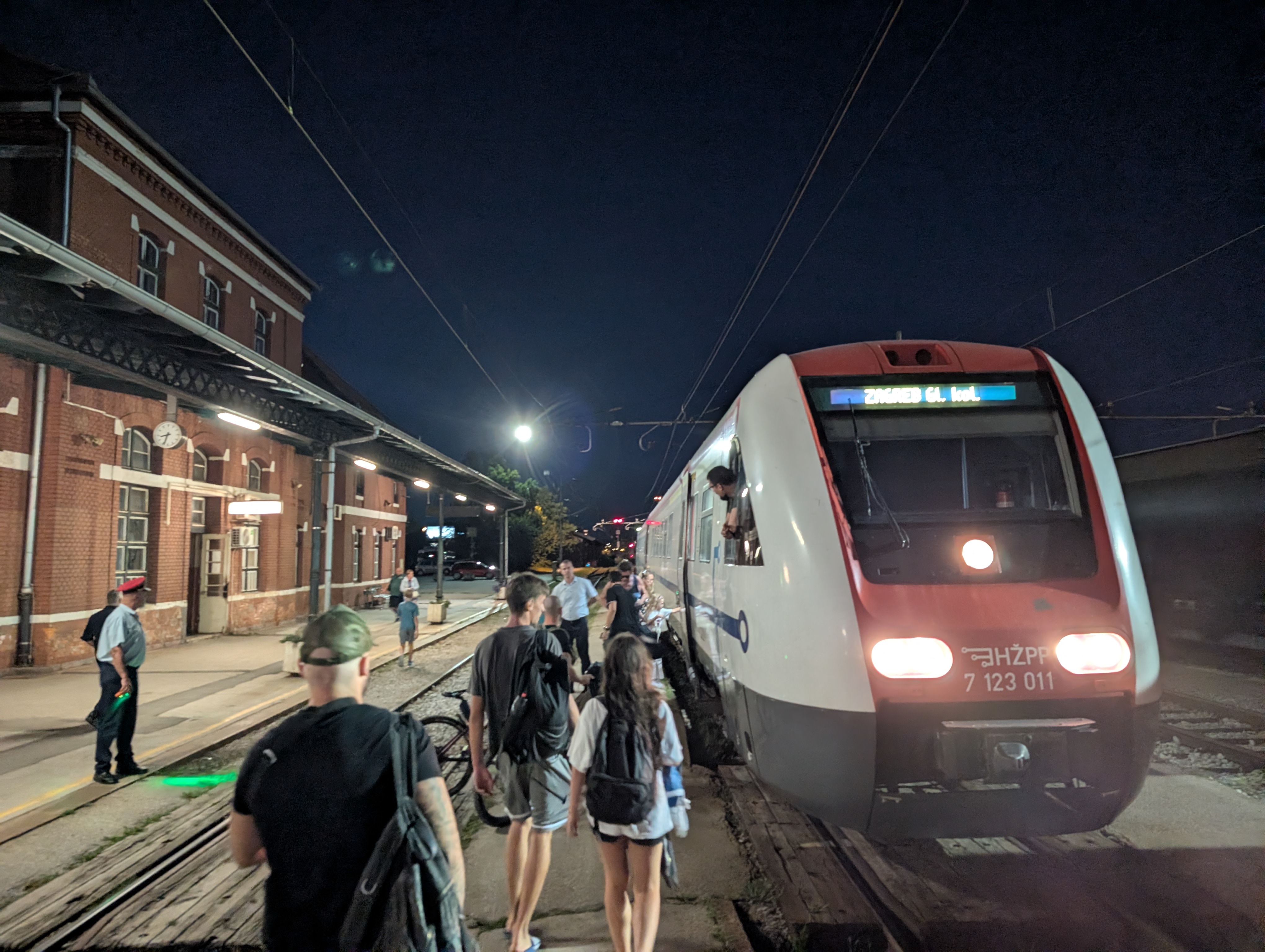
On this last weekend, the InterCity Nagibni was indistinguishable from any other InterCity train on Croatian railways. There was no catering or special services. All the aforementioned amenities like catering and in seat entertainment were abandoned a long time ago. I sat inside the former first class (the ICN ran with just a single class in its last years), just behind the driver’s cab. The train interior was looking very tired and in need of maintenance, but I paid attention to some of the details reminiscent of its former glory: headphone jacks, reading lights, wooden folding tables
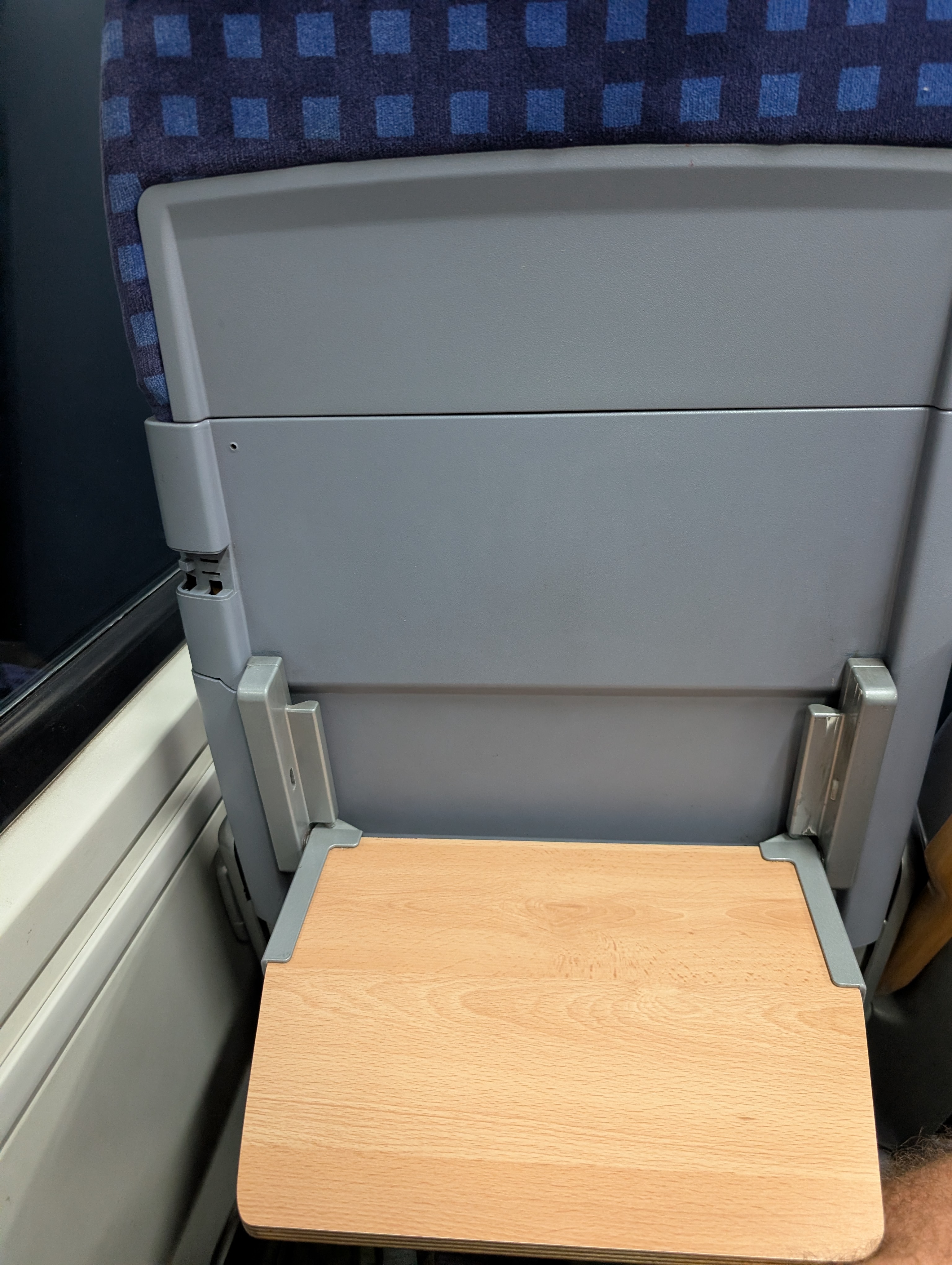
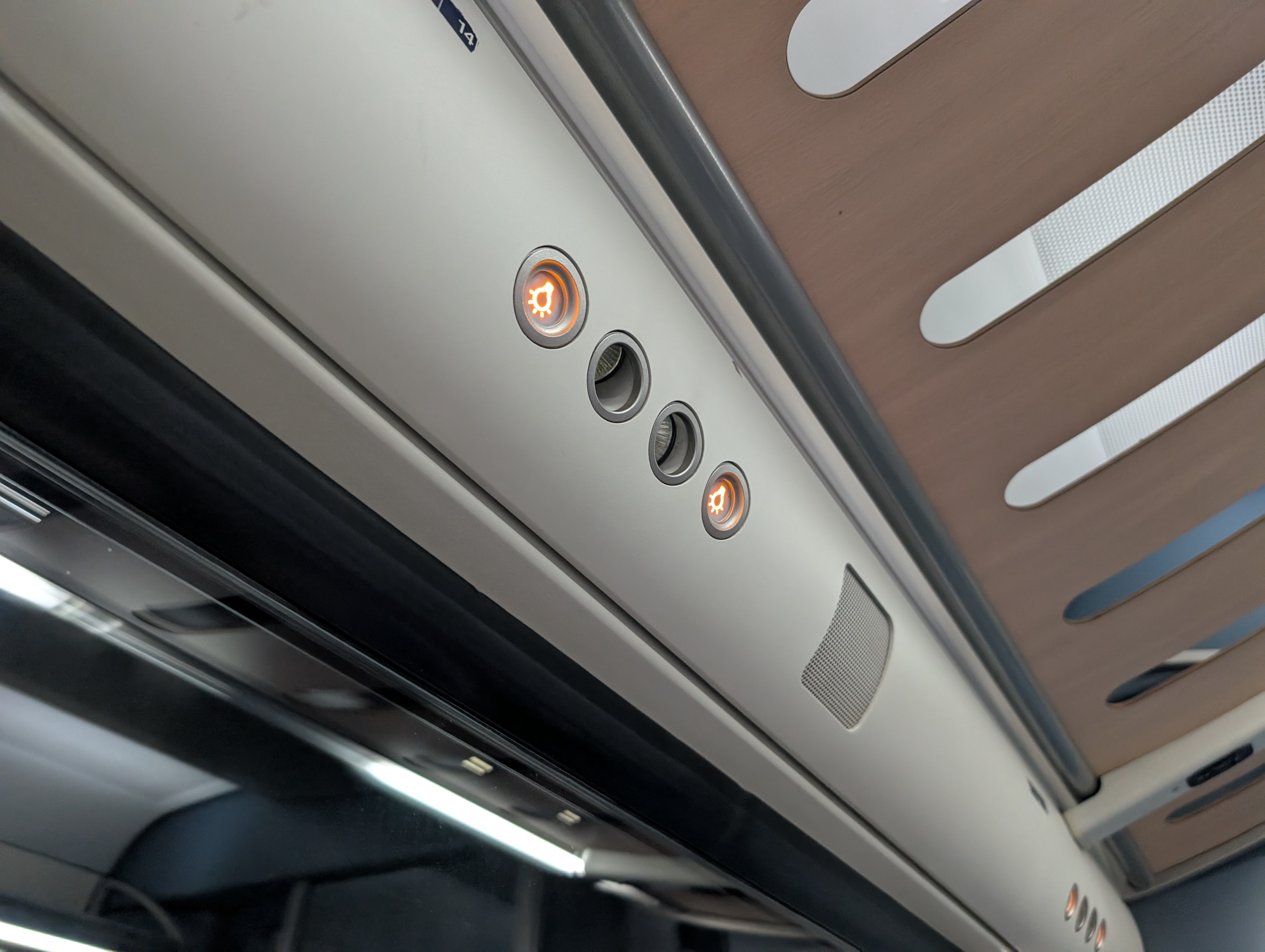
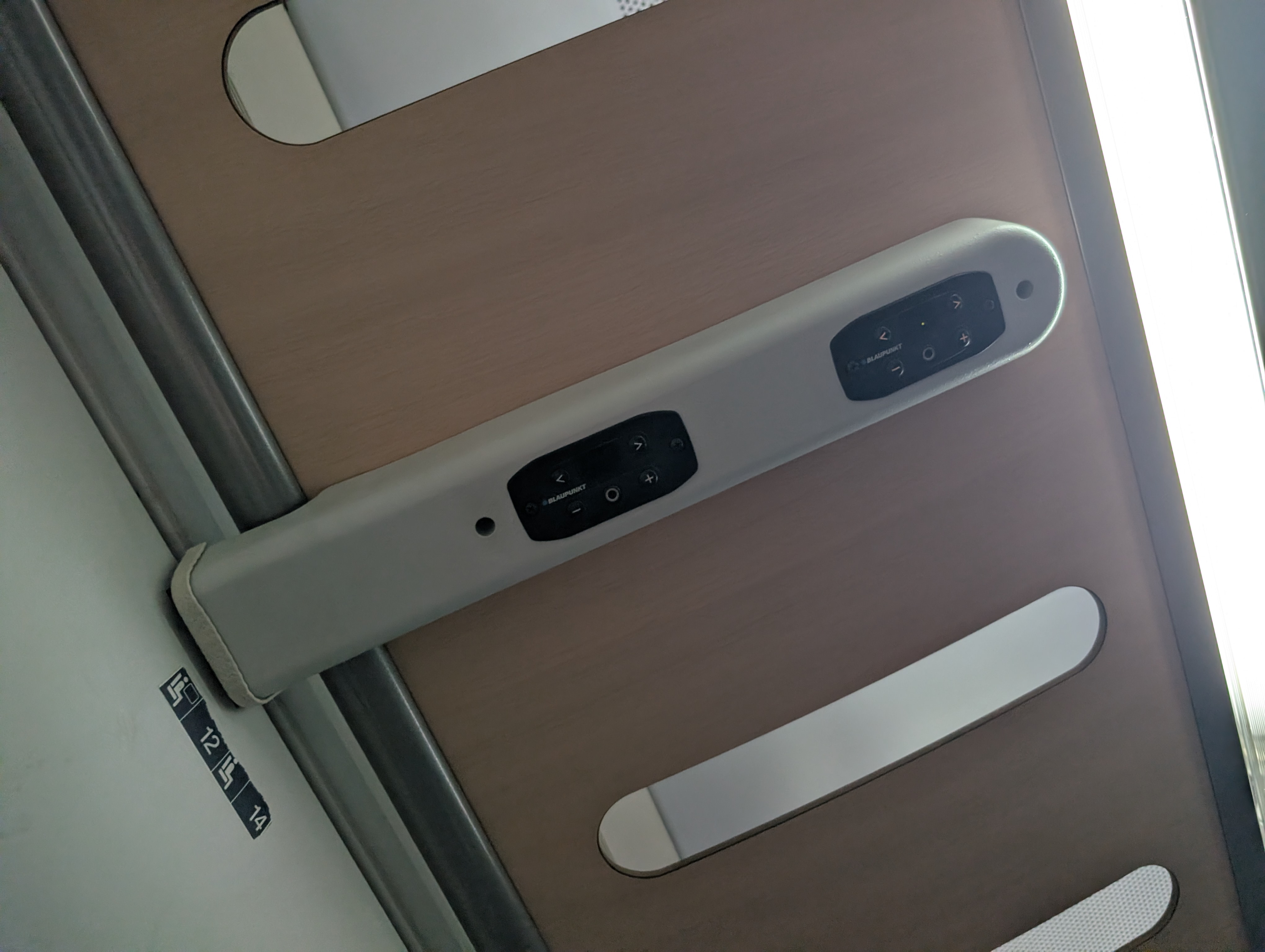
The train rolled into Zagreb with about 12 minutes delay, accumulated before I got on board in Karlovac. Most passengers seemed unaware that this was one of its last runs up from Split. The RegioSwingers and the ICN service are retiring from the Zagreb – Split route rather quietly, but I’m glad I got to mark the occasion. The InterCity Nagibni story is one filled with hope and ambition as well as disappointment and regret. Two decades after its introduction, railways in Croatia look very different. Instead of ambitious flagship service with unique trains, services are almost exclusively run on the common Končar platform. Infrastructure renewal is still ongoing and is still years away from good state of repair. But unlike the 2000s, when a single tragic incident was able to disrupt HŽ’s ambitions, the railway system does seem more stable now. The Končars may not be remarkable, but they’re solid and soon there will be well over a hundred units deployed. Hopefully this next attempt at bringing good service to Split will be longer lasting than the previous one.